
DEMAND FOR IMMEDIATE SETTLEMENT OF TERMINAL BENEFITS
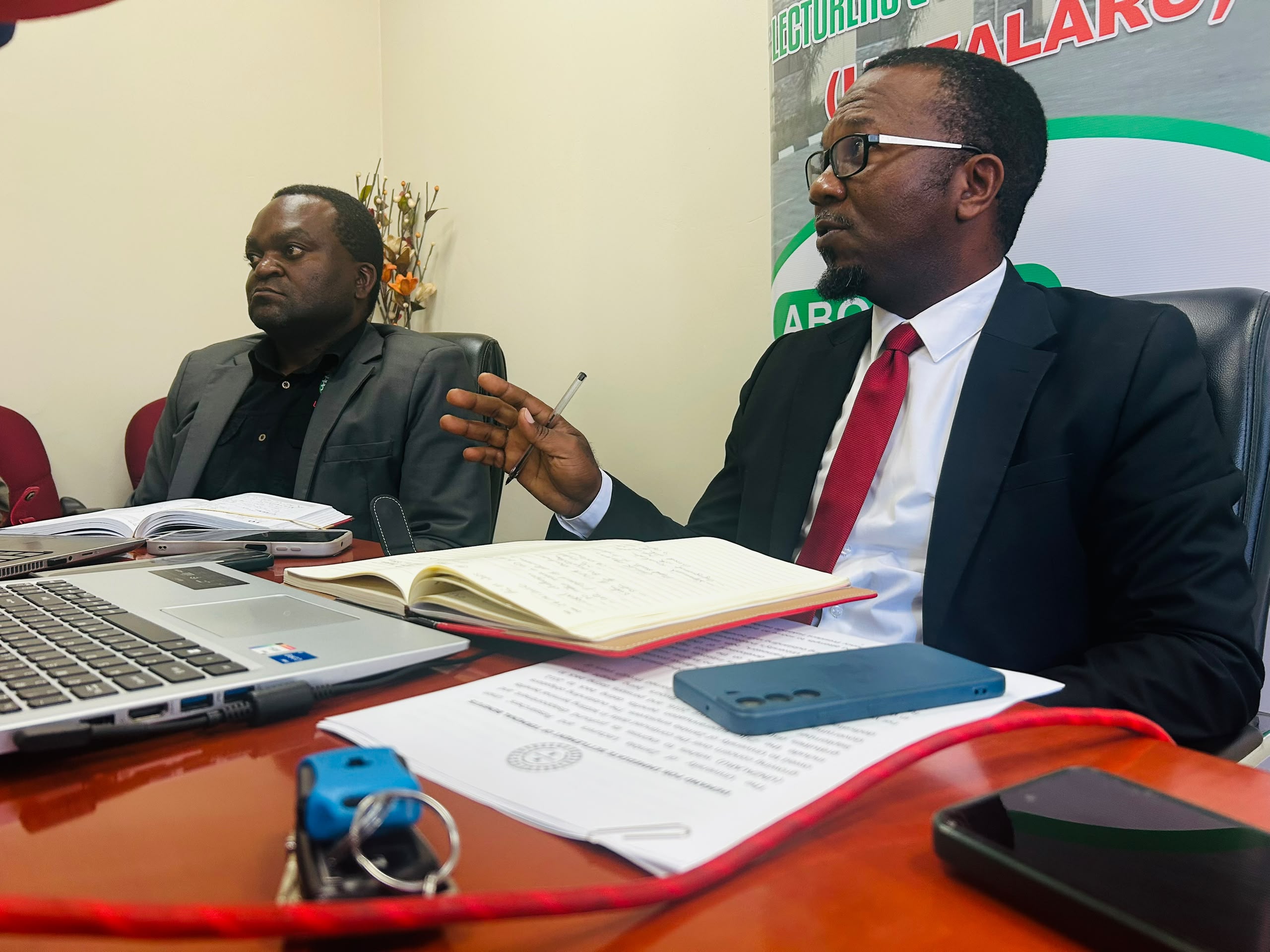
DEMAND FOR IMMEDIATE SETTLEMENT OF TERMINAL BENEFITS
The University of Zambia Lecturers and Researchers’ Union (UNZALARU) wishes to express its profound disappointment and growing concern over the continued delay in settling terminal benefits owed to University of Zambia employees. The outstanding obligations include the ZSIC superannuation benefits dating back to 2012, gratuities dating back to April 2016, and pensions dating back to September 2021. These are not favours being sought from Government; they are lawful entitlements earned through years of dedicated service to the nation.
For years, the Union has engaged Government and other stakeholders in good faith through dialogue and established consultative processes. Regrettably, these efforts have yielded little to no tangible results. UNZALARU has actively participated in various initiatives aimed at resolving this matter, including discussions on the 2018 Higher Education Financing Strategies and the development of UNZA’s Comprehensive Financial Sustainability Framework, both intended, among other objectives, to address the University’s indebtedness and create a sustainable pathway for settling outstanding staff benefits.
The Union has also made repeated attempts to secure an audience with the Head of State, His Excellency President Hakainde Hichilema, but these efforts have unfortunately been unsuccessful despite assurances that the President maintains an open-door policy. The Union even resolved to peacefully march to State House in protest over this matter, but its most recent attempt was blocked by the police. Although further assurances were given that engagement with the President would still be facilitated, no meaningful progress has been made. In the past six months alone, the Union has exhausted every available avenue to secure such a meeting, yet all such efforts have proved unsuccessful.
UNZALARU members have sacrificed a great deal and exercised extraordinary patience and restraint. However, patience alone cannot pay medical bills, school fees, rentals, or guarantee dignity. Staff who dedicated their lives to serving the institution and the nation are now facing hardship in their retirement years. Some employees have passed away before receiving benefits they earned throughout their careers, leaving widows, widowers, and children to continue the struggle for what is lawfully owed to them. In many cases, bereaved families are forced to wait years before receiving these benefits, compounding their grief with severe financial hardship. Clearly, the dignity of workers has been violated.
Tragically, the situation has reached a point where the University of Zambia is increasingly perceived as a death trap for many of its employees. Serving members of staff continue to discharge their duties diligently despite being denied benefits that are rightfully theirs. They work under immense financial, emotional, and psychological strain, yet their commitment continues to sustain the high standards and rankings that the institution proudly celebrates. It is both unjust and inhumane that those whose labour has sustained and advanced the mission of the University should endure such conditions, with some never living long enough to enjoy the fruits of their service.
What makes this situation even more painful is the apparent inconsistency in Government priorities. Over the years, Government has mobilised resources to settle terminal benefits and pension obligations for various categories of former public and quasi-government employees. Retirees in the public service began receiving their terminal benefits in 2022. Similar interventions have been made for retired local government workers, former employees of TAZARA, INDENI, TAZAMA Pipelines Limited, Zambia Railways Limited, and ZAMPOST. Like the University of Zambia, these are public or quasi-government institutions that have faced significant financial challenges.
Meanwhile, University of Zambia workers and retirees continue to wait for more than 10 years despite Government’s repeated commitment to education, human capital development, and the welfare of workers. In the recent pension reforms assented to on 4 June 2026, Government reaffirmed its commitment to delivering clear and immediate benefits to retirees. Yet the plight of UNZA employees remains largely overlooked.
The University is burdened with terminal benefits obligations exceeding K1.3 billion, a burden far beyond its capacity to settle without deliberate Government intervention. The issue is therefore not whether a solution is required, but whether there is sufficient political will to implement one. What wrong have University of Zambia workers committed to warrant this continued neglect? Why have employees who dedicated their lives to teaching, research, innovation, and national development been left waiting for years for benefits that are lawfully theirs? These questions demand urgent answers and, more importantly, decisive action.
Resources are found for the creation of new constituencies, unnecessary by-elections, expanding electoral expenditures, enhanced benefits for constitutional office holders, and parliamentary gratuities. Members of Parliament receive their gratuities promptly at the end of each five-year term, with each legislator reportedly receiving approximately K5 million.
Government frequently speaks about its commitment to education, including in its recent pronouncements during the assent to the Education (Amendment) Act of 2026. However, little has been done to address the deepening crisis in university education. The question that naturally arises is where will the beneficiaries of the much-publicised free education policy pursue higher education if public universities are left financially crippled and unable to meet their obligations? The University of Zambia, the country’s first and premier public university, remains in urgent need of decisive Government intervention. It is difficult to comprehend how an institution that has trained the majority of Zambia’s human resource base, including Presidents, Ministers, judges, Members of Parliament, senior government officials, traditional leaders, and countless professionals, continues to receive so little attention from successive governments.
One would expect alumni occupying influential positions to demonstrate greater concern for the welfare of the institution that helped shape their success. Instead, the University’s longstanding challenges persist despite being well known to many of these same alumni, some of whom are themselves owed superannuation and gratuities. Where else are workers expected to turn to claim benefits they have already earned through their labour? Every day that passes erodes the value of these benefits through inflation and the rising cost of living.
We acknowledge that Government has made some efforts to address this matter. Since 2021, Government has released approximately K500 million in a number of staggered allocations towards the settlement of terminal benefits. However, these allocations have been insufficient to clear the growing liability. The longer this matter remains unresolved, the larger and more difficult the problem will become. Staggered payments on a growing liability do not resolve a crisis, they simply defer it, with interest, at the expense of those owed.
Our demand is simple. Now is the time to act. Government must immediately settle the outstanding terminal benefits owed to University of Zambia workers.
On behalf of UNZALARU on this day of 10 June 2026

 Unzalaru Union
Leave a Comment